
The Authority and Limits of Observation
The Blazing WorldThis flow traces the book's recurring challenge to the idea that senses, instruments, or learned observers can deliver unmediated truth.
increasing Bearing strength in each event
 decreasing
Bearing strength in each eventdecreasingCompeting Celestial Accounts
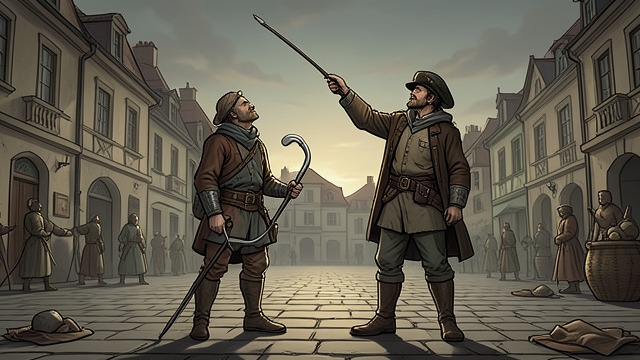
Competing Celestial Accounts
Observation Interpreted
Bird-men offer different explanations for the sun's heat, the moon's appearance, and changes in the sky.
Knowledge Remains Contested
Their expertise cannot turn uncertain observations into a single settled account.
Telescopic Disagreement
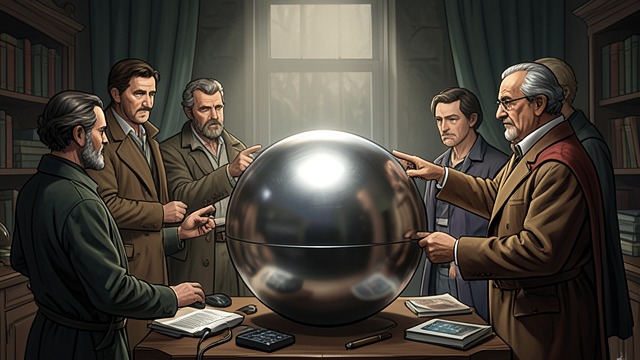
Telescopic Disagreement
Instruments Multiply Claims
Observers disagree about celestial motion and the number, size, and identity of stars seen through Telescopes.
Mediation Exposed
Rather than serving as neutral windows, the instruments become part of the dispute about how knowledge is produced.
Microscopic Certainty
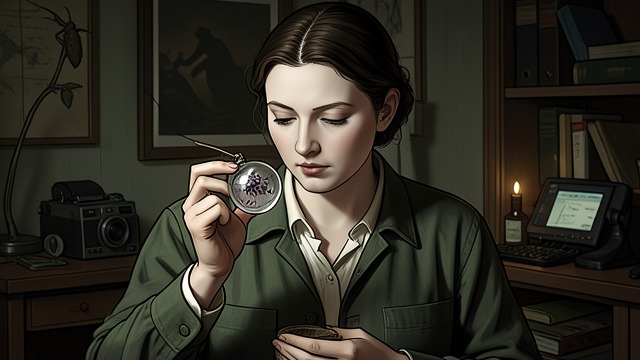
Microscopic Certainty
Small Worlds Enlarged
Bear-men use Microscopes to reveal structures in insects, charcoal, and plants, and claim that the glasses correct natural sight.
The Empress's Doubt
She questions whether magnification warrants conclusions about what those structures actually are.
The Unseen Interior
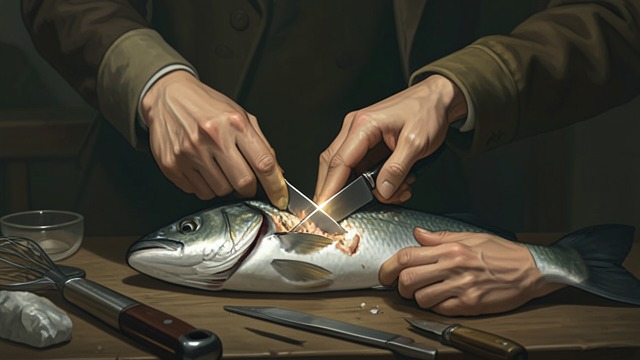
The Unseen Interior
Motions Beyond Sight
Fish-men and Worm-men explain that interior motions may change or disappear when a creature is dissected.
Method's Boundary
The book emphasizes that observing an object can alter the very process an investigator hopes to understand.
Ignorance Admitted
Ignorance Admitted
Questions Without Answers
Even Immaterial Spirits confess that they lack universal knowledge and cannot explain every divine or natural mystery.
A Humbling Conclusion
No rank, instrument, or supernatural status guarantees complete access to truth.
During the Bird-men's first astronomical report
After telescopes are used on the heavens
After the telescope dispute
During the natural philosophers' later reports
During the Empress's conversations with Immaterial Spirits
